
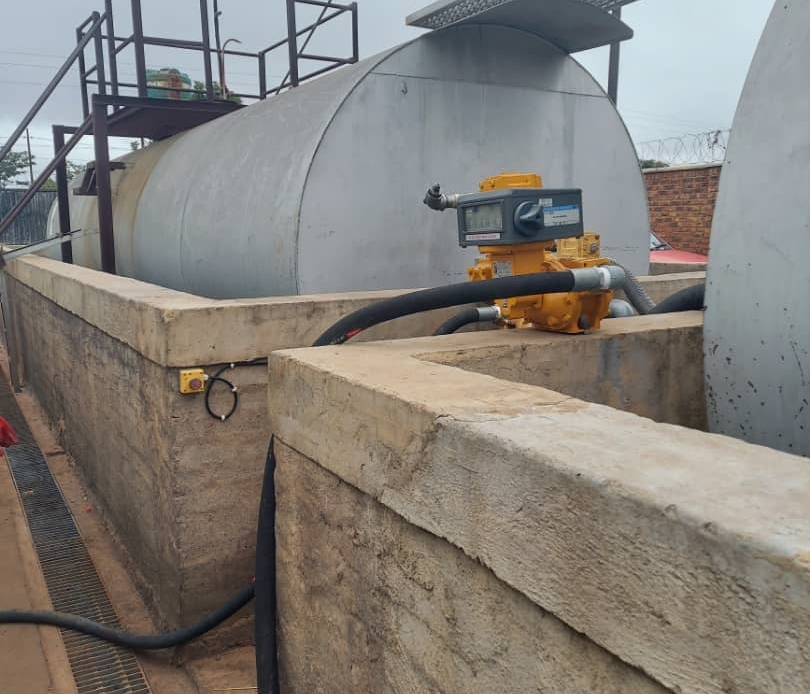
In many industries, accurate measurements are critical for everything from quality control to safety compliance. Whether you’re measuring temperature, flow rates, or pressure, the reliability of your measurement equipment directly impacts your operations and bottom line. This is where preventive maintenance plays a vital role.
What is Preventive Maintenance?
Preventive maintenance involves proactively inspecting, cleaning, and performing minor repairs on equipment before a major failure occurs. It’s about identifying and addressing potential problems early on, rather than waiting for costly breakdowns.
Key Benefits of Preventive Maintenance for Measurement Equipment:
- Reduced Downtime: By identifying and addressing issues before they escalate, preventive maintenance minimizes unexpected equipment failures. This reduces costly downtime, allowing for uninterrupted operations and increased productivity.
- Improved Accuracy: Regular maintenance ensures your equipment maintains optimal performance and accuracy. This translates to more reliable measurements, better decision-making, and improved product quality.
- Increased Equipment Lifespan: Preventive maintenance helps to identify and address wear and tear, extending the lifespan of your equipment and reducing the need for costly replacements.
- Enhanced Safety: In many industries, accurate measurements are crucial for safety. Preventive maintenance helps ensure that your equipment is functioning correctly, minimizing safety hazards.
- Cost Savings: While there’s an initial investment in preventive maintenance, it ultimately saves money by preventing costly emergency repairs, reducing downtime, and improving equipment lifespan.
- Improved Compliance: Many industries have regulations regarding the accuracy and calibration of measurement equipment. Preventive maintenance helps ensure compliance with these regulations, avoiding costly fines and penalties.
Implementing a Preventive Maintenance Program
- Develop a Maintenance Schedule: Create a schedule for regular inspections, cleaning, and minor repairs based on equipment usage and manufacturer recommendations.
- Train Your Staff: Train your staff on proper equipment operation, basic maintenance procedures, and how to identify potential problems.
- Maintain Accurate Records: Keep detailed records of all maintenance activities, including dates, performed tasks, and any identified issues.
- Use Quality Control Procedures: Implement quality control checks to ensure the accuracy and reliability of your measurement equipment.
By implementing a robust preventive maintenance program, you can significantly improve the performance, reliability, and lifespan of your measurement equipment, leading to increased efficiency, reduced costs, and improved overall operational performance.