
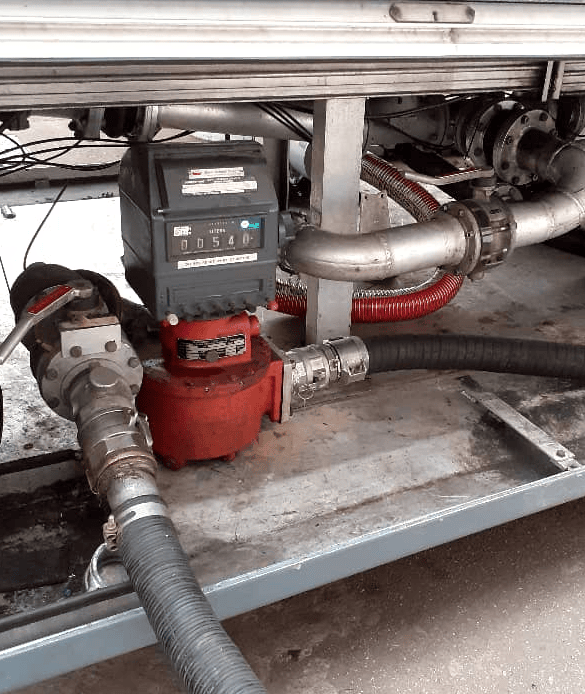
In the dynamic world of fuel management, accuracy is paramount. From measuring fuel levels to monitoring consumption, precise measurements are essential for efficient operations and financial stability. This is where regular equipment calibration plays a crucial role.
Why is Calibration Critical?
Over time, fuel-measuring equipment can become inaccurate due to various factors such as wear and tear, environmental conditions, and even simple human error. Inaccurate readings can lead to:
- Financial Losses: Inaccurate fuel measurements can result in overcharging customers or underestimating fuel consumption, leading to significant financial losses.
- Operational Inefficiencies: Inaccurate data can hinder effective fuel management strategies, making it difficult to optimize fuel usage and identify areas for improvement.
- Compliance Issues: Many industries have strict regulations regarding fuel measurement accuracy. Non-compliance can result in hefty fines and damage to your company’s reputation.
- Safety Hazards: Inaccurate fuel level readings can pose safety risks, especially in industries like aviation and shipping.
Benefits of Regular Calibration
Regular calibration offers numerous benefits:
- Improved Accuracy: Calibration ensures that your equipment provides accurate and reliable measurements, minimizing errors and discrepancies.
- Enhanced Efficiency: Accurate data enables you to optimize fuel usage, reduce waste, and improve overall operational efficiency.
- Cost Savings: By minimizing errors and inefficiencies, calibration can help you save money on fuel costs and reduce operational expenses.
- Regulatory Compliance: Regular calibration helps you comply with industry regulations and avoid costly fines.
- Improved Customer Satisfaction: Accurate measurements ensure fair pricing and transparent transactions, enhancing customer satisfaction and trust.
Key Considerations for Calibration
- Frequency: The frequency of calibration depends on factors such as equipment type, usage intensity, and industry regulations.
- Qualified Personnel: Calibration should be performed by qualified technicians using calibrated reference standards.
- Record Keeping: Maintain accurate records of all calibration activities, including dates, results, and corrective actions.
By prioritizing regular equipment calibration, businesses can ensure the accuracy and reliability of their fuel management systems, leading to significant improvements in efficiency, profitability, and safety.